






Lab Grown vs. Natural Diamond
Lab diamonds are real diamonds. They're chemically, physically, and optically identical to natural diamonds. Here's how they compare and what to know when choosing between them.
Expertise you can trust:GONA is known for its award-winning jewelry designs and seamless, innovative shopping experience. This GONA diamond guide explains whether lab grown diamonds are real, how they compare to natural diamonds, and what to consider when choosing between them. All GONA guides are meticulously researched and reviewed by our certified gemologists, content, editorial, and brand teams before publication to ensure industry-leading excellence and accuracy.
What Is a Lab Grown Diamond?
A lab grown diamond is produced in a controlled laboratory setting rather than mined from the earth. Like a natural diamond, it is made of pure carbon arranged in a crystal lattice structure. This structure is what gives diamonds their exceptional hardness, brilliance, and fire.
Lab grown diamonds begin as tiny carbon seeds from pre-existing diamonds. There are two primary methods used to create them: High Pressure High Temperature (HPHT) and Chemical Vapor Deposition (CVD). Both methods recreate conditions that allow carbon atoms to form into diamond crystal. After several days or weeks, a rough diamond is created, then cut, polished, graded, and set in jewelry just like a natural diamond.
In Summary: Lab grown diamonds have the same composition, structure, and properties as natural diamonds. The only meaningful distinction is how and where they are made.

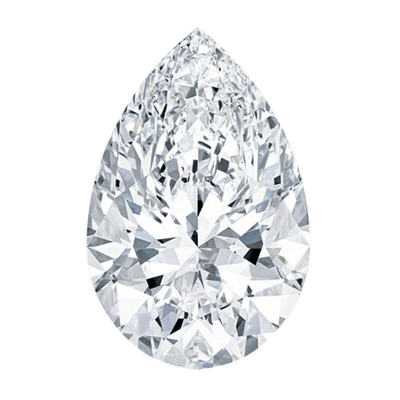
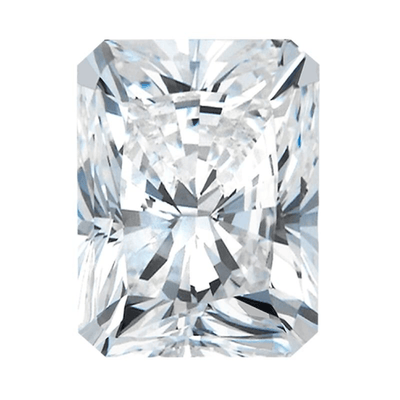
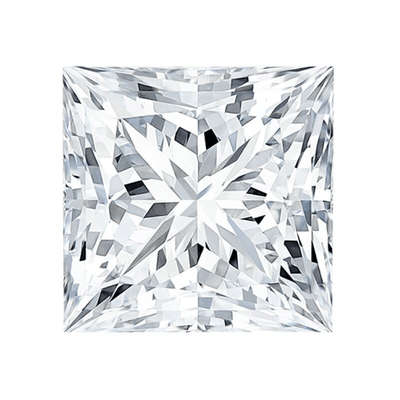
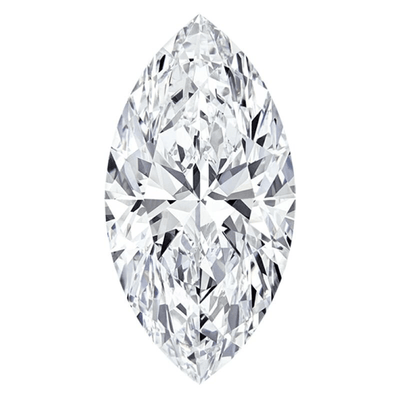
Shop Diamonds by Shape
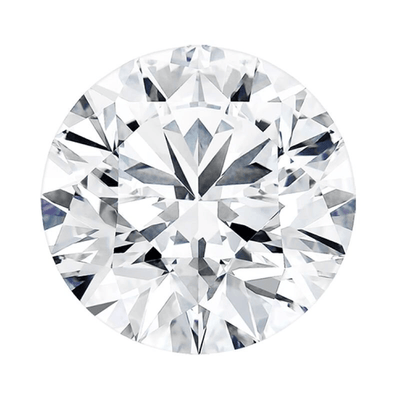
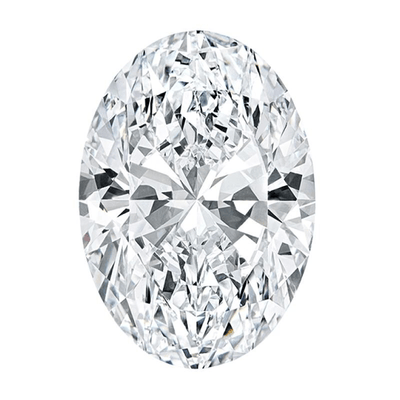
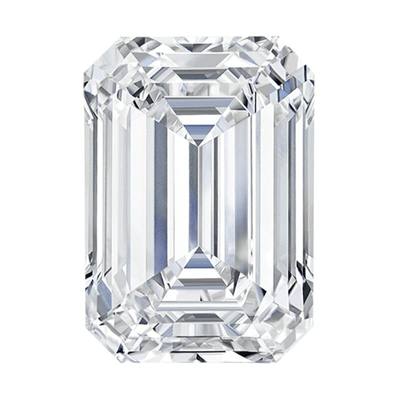
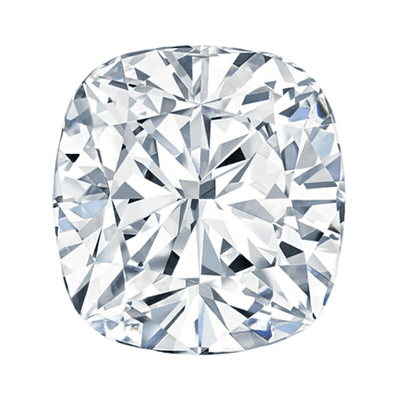
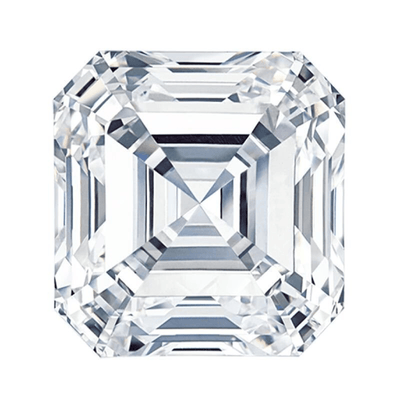
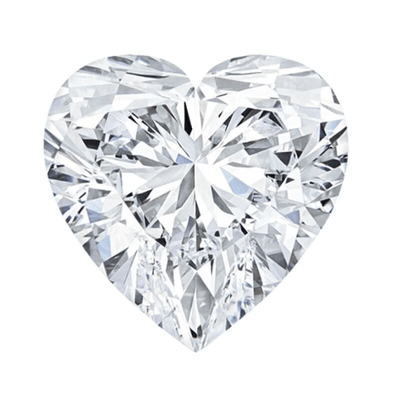
Are Lab Grown Diamonds Real?
Yes, lab grown diamonds are real diamonds. They are chemically, physically, and optically identical to natural diamonds.
Both lab grown and natural diamonds are made of pure carbon arranged in the same crystal lattice structure. This structure gives diamonds their defining properties, including exceptional hardness, brilliance, and fire. Because of this, lab grown diamonds look the same, perform the same, and are graded by the same standards as natural diamonds.
The only difference is how they are formed. Natural diamonds develop deep within the earth over billions of years, while lab grown diamonds are created in controlled laboratory environments using advanced technology that replicates these natural conditions.
In Summary: Lab grown diamonds are not imitations or substitutes. They are real diamonds with the same composition and properties as natural diamonds. The only distinction is their origin.

Lab Grown vs. Natural Diamond: Side-by-Side Comparison
Here is how a lab grown diamond and a natural diamond compare across key characteristics.
| Characteristic | Lab Grown Diamond | Natural Diamond |
|---|---|---|
Composition |
Pure crystalline carbon |
Pure crystalline carbon |
Durability |
10 on the Mohs scale |
10 on the Mohs scale |
Brilliance |
Refractive index ranges from 2.417 to 2.419 |
Refractive index ranges from 2.417 to 2.419 |
Color |
Primarily colorless, but can also occur in manycolor optionsthat are often more vivid than natural options |
Primarily colorless, but can also occur in many color options including pink,blue, and yellow |
Grading |
Graded on cut, color, clarity, and carat |
Graded on cut, color, clarity, and carat |
Certification |
Certified by reputable gemological institutions |
Certified by reputable gemological institutions |
Origin |
Grown in controlled laboratories over several days to weeks, then cut and polished |
Formed deep in the earth over billions of years, mined, cut, and polished |
Rarity |
Can be produced in increasing quantities as technology advances |
Limited quantities based on geological conditions |
Price |
Lower cost due to availability |
Pure crystalline carbon |
Lab Grown vs. Natural Diamonds: What's the Same?
Lab grown and natural diamonds share the same core properties that determine how a diamond looks and performs:
- Composition: Both are made of carbon atoms arranged in a crystal lattice. There is no chemical difference between a lab grown diamond and a natural diamond.
- Durability: Both rank 10 on the Mohs hardness scale, making them highly resistant to scratching and suitable for everyday wear.
- Brilliance: Light interacts with lab grown and natural diamonds in the same way, producing the same sparkle, fire, and scintillation.
- Color: Both are available in colorless and near-colorless grades, and both are evaluated on the same D-to-Z color scale. Lab grown diamonds can also be created in vivid fancy colors, including pink, yellow, and blue.
- Grading: Both are evaluated using the 4 Cs: cut, color, clarity, and carat. The same quality factors determine a diamond’s beauty and value.
- Certification: Both lab grown and natural diamonds can receive grading reports from reputable gemological laboratories. These reports document the diamond’s quality characteristics and origin.
In Summary: Lab grown and natural diamonds are the same in every way that affects appearance, durability, and performance.

Lab Grown vs. Natural Diamonds: What's Different?
The key differences between lab grown and natural diamonds come down to origin, rarity, and price.
- Origin: Natural diamonds form deep within the earth over billions of years under extreme heat and pressure. Lab grown diamonds are created in a laboratory over several days or weeks. The final stone is still a diamond.
- Rarity: Natural diamonds are finite and depend on geological conditions. Lab grown diamonds are not limited by the same natural scarcity and can be produced in increasing quantities as technology advances.
- Price: Lab grown diamonds typically cost less than natural diamonds of comparable size and quality. This price difference is driven by differences in supply, production, and rarity rather than by a difference in the diamond’s physical properties.
For many buyers, this means a lab grown diamond can offer the opportunity to choose a larger stone, a higher-quality grade, or a more distinctive style within the same budget.
In Summary: Lab grown and natural diamonds differ in how they are formed, how rare they are, and how they are priced. The diamond material itself is the same.

Can You Tell the Difference Between Lab Grown and Natural Diamonds?
To the naked eye, lab grown and natural diamonds are indistinguishable. A lab grown diamond has the same brilliance, fire, and visual characteristics as a natural diamond of the same grade.
Even trained jewelers and gemologists cannot reliably tell the difference without specialized equipment. Identification typically requires advanced testing that can detect subtle growth characteristics or origin markers.
A few indicators may include:
- Internal Growth Patterns: lab diamonds may exhibit growth patterns that slightly differ from the octahedral growth pattern in natural diamonds.
- Inclusions: Natural diamonds often contain inclusions from natural minerals, while lab diamonds may contain metallic inclusions or other markers related to the HPHT or CVD growth process.
- Laser Inscription: Most lab diamonds are inscribed on the girdle with a microscopic mark indicating their lab origin.
Lab grown diamonds also pass standard diamond testers because they share the same thermal conductivity characteristics as natural diamonds.
In Summary: You cannot tell the difference between a lab grown diamond and a natural diamond by appearance alone. Specialized equipment is required to confirm origin.

How Are Lab Diamonds Graded & Certified?
Lab grown diamonds go through the same grading and certification process as natural diamonds. Reputable gemological laboratories like the GIA and IGI evaluate them on the same 4 Cs, using the same scales, the same criteria, and the same level of scrutiny.
During the grading process, gemologists assess the diamond’s quality, confirm its identity, and document its characteristics in a grading report. A lab grown diamond report will also clearly state that the diamond is laboratory grown, giving buyers transparency about origin.
All GONA center stones are certified, whether lab grown or natural.
In Summary: The grading process for lab grown diamonds and natural diamonds is the same. A certified lab grown diamond meets the same quality benchmarks as a certified natural diamond.

Common Misconceptions About Lab Grown Diamonds
There are several common misconceptions about lab grown diamonds, often centered around how they compare to natural diamonds. A few of the most common being:
- Lab diamonds are "fake" diamonds: This is untrue. Lab diamonds are chemically, physically, and optically identical to natural diamonds.
- Lab diamonds look different from natural diamonds: This is untrue. With the naked eye, even experts cannot distinguish lab from natural diamonds without specialized equipment.
- Lab diamonds aren’t as durable: This is untrue. Lab diamonds have the same hardness (10 on the Mohs scale) as natural diamonds.
- Lab diamonds are flawless: This is untrue. Like natural diamonds, lab diamonds can contain inclusions.
In Summary: The only real difference between lab and natural diamonds is their origin: lab diamonds are grown in laboratory settings, while natural diamonds form deep within the Earth. Otherwise, lab diamonds are identical to natural diamonds and 100% real.

Pros and Cons of Lab Grown Diamonds
There are a few advantages and disadvantages to consider when determining if a lab diamond is right for you.
Pros
- Support for Sustainable Practices: Lab diamonds are a responsible choice as they are grown with precise technology that doesn't involve mining. Their production typically has a smaller carbon footprint and less environmental disruption, making them a responsible choice for conscious consumers.
- Identical to Natural Diamonds: Lab diamonds are chemically, physically, and optically identical to mined diamonds.
- Available in Various Colors: Lab diamonds are easily created in unique and vibrant hues like pink, yellow, and blue. These stunning color options are more affordable than their natural counterparts, giving buyers more creative freedom to select a diamond that matches their personal style.
- Value: Lab diamonds are generally more affordable than mined diamonds of the same size and quality. This means you can invest in a larger or higher-quality diamond at the same budget, making it an attractive choice for those seeking luxury at a more accessible price point.
Cons
- No geological rarity: Natural diamonds are valued partly for their ancient formation process and natural scarcity. Lab grown diamonds do not carry the same billions-of-years origin story.
- Different perceived value: Some buyers place personal or symbolic value on a diamond formed by nature. Others prefer the accessibility and modern appeal of lab grown diamonds. This is a matter of preference, not quality.

Are Lab Grown Diamonds Worth It?
After understanding how lab grown and natural diamonds compare, the next question is whether a lab grown diamond is the right choice for you.
Choose a lab grown diamond if:
- You want to get the most for your budget. Lab grown diamonds typically cost less than natural ones of similar quality, which means you can prioritize a larger size or higher clarity/color without increasing spend.
- Sourcing and environmental impact are important to you. Because they’re created in controlled environments rather than mined, lab grown diamonds appeal to those looking to avoid traditional mining.
Choose a natural diamond if:
- Rarity matters to you. Natural diamonds are formed over billions of years, which gives them a sense of uniqueness and geological scarcity that some people value.
- You’re drawn to tradition and origin. For many, the idea of a diamond formed deep within the earth carries emotional or symbolic weight that a lab grown stone doesn’t replicate.
Choosing between lab grown and natural diamonds is not a question of real versus fake. Both are real diamonds. The right choice is the one that best reflects your priorities, values, and budget.


